
Does Eating Cheese Before Bed Give You Nightmares?
8 Min Read |
Last Modified 15 September 2026 First Added 28 October 2014

It’s gone eleven. The cheeseboard is still out. You shave off one more sliver of Stilton, and a little voice in your head reminds you that cheese gives you nightmares. Or does it? Around one in 10 of us eat in bed before we nod off, according to our 2026 UK Sleep Survey, so it’s a question plenty of people are quietly wondering about.
The answer is more interesting than a simple yes or no. Here’s what the research actually says.
The lowdown: For most people, eating cheese before bed won’t give you nightmares. The best evidence so far suggests the link shows up in people with lactose intolerance, where a grumbling stomach overnight is tied to more disturbing dreams. If dairy agrees with you, a small piece of cheese is unlikely to cause any trouble.
Mostly, no. There’s no good evidence that cheese itself contains anything that triggers nightmares in the average person.
There is one important exception. A 2025 study of 1,082 university students found that people with lactose intolerance scored higher for nightmares, and that the link was largely explained by gut symptoms such as bloating and cramps. So if dairy upsets your stomach, eating cheese at night could plausibly be part of the story.
For everyone else, there’s little evidence that a bit of cheese at night will change what you dream about.
A comic strip helped make the idea famous. In the early 1900s, cartoonist Winsor McCay drew a series called Dream of the Rarebit Fiend, in which characters had wild, unsettling dreams and then blamed the Welsh rarebit (a spicy cheese on toast) they’d eaten before bed. The researchers behind the 2025 study even named their paper after it.
The idea stuck. In a study of 396 students published in 2015, nearly one in five said they’d noticed a link between what they ate and what they dreamt. Dairy was the food they named most often.
Here’s the twist. The same researchers pointed out that there was very little hard evidence either way, and suggested some people may simply be pinning a bad dream on the last thing they ate.
Research on food and dreams is thin on the ground. The most useful study so far is a 2025 follow-up from the same team. Here’s what they found:
A couple of caveats are worth knowing. The participants were all Canadian psychology students, and the study shows associations. It can’t prove that cheese, or any food, directly causes a bad dream.
Still, the explanation hangs together. Discomfort while you sleep can find its way into your dreams, and a restless night is itself linked to more nightmares. We explain more about when dreams happen in our guide to REM sleep.
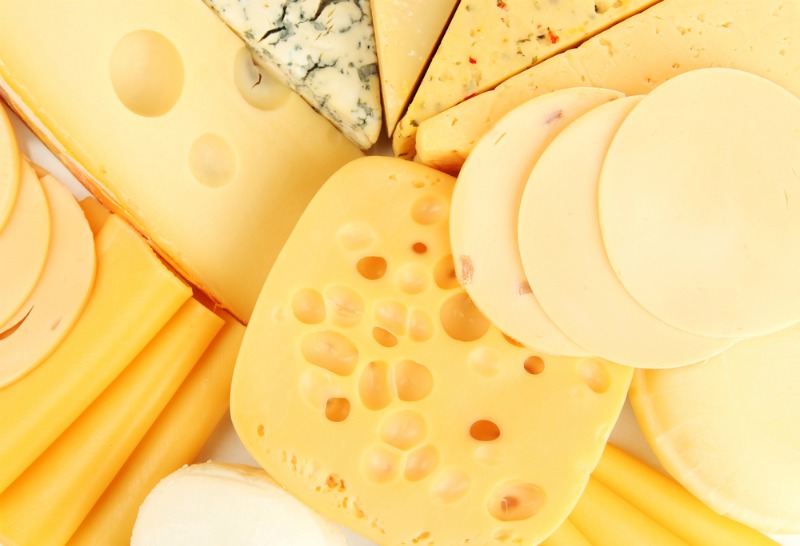
In 2005, the British Cheese Board gave 200 volunteers 20g of cheese 30 minutes before bed and asked them to record their sleep and dreams. According to reporting at the time, none of them reported a nightmare, 72% said they slept very well, and 67% remembered their dreams. Sleep scientist Neil Stanley of the University of Surrey endorsed the study.
The fun part was that different cheeses seemed to bring different dreams:
It makes a great dinner party story. As science goes, it has limits. It was run by the cheese industry itself. Everyone in it ate cheese, so there was no group eating anything to compare against. And the results depend entirely on what people remembered and chose to report.
So treat the cheese-by-cheese findings as a bit of fun. They can’t tell you that Stilton will send you anywhere in particular tonight.
The theory rests on tryptophan. It’s an essential amino acid, which means your body can’t make it and has to get it from food. Your body uses it to make serotonin and melatonin, and melatonin is the hormone that tells you it’s time for bed. Dairy foods, including hard cheeses and cottage cheese, are rich in it, according to a 2023 review of dairy and sleep research. At the time of the Cheese Board study, a Dairy Council nutrition scientist, Dr Judith Bryans, made a similar case for tryptophan in cheese.
The same review is careful about how far this goes:
It’s also worth knowing that the review was partially funded by the US National Dairy Council. The authors call the evidence limited and ask for better trials. Tryptophan is found in plenty of other foods too, which we cover in our round-up of foods that help you sleep.
If you enjoy it and it agrees with you, there’s no strong reason to stop. A few things are worth bearing in mind, though:
In our survey, eating too late was one of the less common reasons people gave for a bad night. Of those who have bad nights, 9% put it down to eating too late.
For snack ideas that are easier on your digestion, try our list of late-night snacks that won’t give you indigestion.
There’s no proven “sleep cheese”, but some are easier to get along with at night than others.
Hard, aged cheeses are a sensible pick if dairy doesn’t always agree with you. An NHS low-lactose diet leaflet notes that cheeses such as Cheddar and Parmesan are very low in lactose. Many people with lactose intolerance can eat small amounts of them without any bother.
What about blue cheese? Cheesemongers such as Pong Cheese say riper, bluer and stinkier cheeses bring the most vivid dreams, and point to natural compounds like tyramine that build up as cheese matures. It’s a popular theory. We couldn’t find any study that has actually tested it.
If you’re after the quietest night, the Cheese Board’s Cheshire findings are a fun (if unscientific) nudge. Just keep the slice modest.
If bad dreams are a regular thing, cheese is unlikely to be the whole story. In our 2026 UK Sleep Survey, 13% of people who sleep badly named bad dreams or night terrors as a regular reason. Far more pointed to what’s going on in their heads. A racing mind was the top reason at 37%, with stress at 28%.
The 2025 study found something similar. Symptoms of anxiety and depression were linked to nightmares, alongside gut symptoms and evening eating.
If you’d like to know more, these guides are a good place to start.
Frequent nightmares that leave you dreading bedtime are worth mentioning to your GP.
Still tossing and turning? Nearly a quarter of people who have bad nights say they struggle to get comfortable. Find a mattress that suits the way you sleep with our free Sleepmatch mattress finder, or browse our memory foam mattresses.